5.0 Patient Rating
Obsessive-Compulsive Disorder (OCD) is a mental health condition characterized by unwanted, repetitive thoughts (obsessions) and repetitive behaviors or mental acts (compulsions). These symptoms can cause significant distress and interfere with daily life.
OCD is a treatable condition, and early intervention leads to better outcomes.
Consult a psychiatrist if:
1) Comprehensive Psychiatric Evaluation
Detailed assessment of symptoms, severity, and impact on daily life.
2) Medication Management
Prescribing appropriate medications (such as SSRIs) to reduce obsessive thoughts and compulsive behaviors.
3) Cognitive Behavioral Therapy (CBT)
Especially Exposure and Response Prevention (ERP), which helps patients gradually face fears without performing compulsions.
4) Stress & Anxiety Management
Teaching coping skills and relaxation techniques.
5) Regular Follow-Ups
Monitoring progress and adjusting treatment for long-term stability.

It can be chronic, but with treatment, symptoms can be well-controlled.
Symptoms may fluctuate, but professional treatment is usually needed.
No, OCD is a medical condition involving brain chemistry and anxiety regulation.
Improvement may take several weeks to months, depending on severity.
Not always. Mild cases may improve with therapy alone.
Yes, OCD can begin in childhood or adolescence and requires early evaluation.
Your mental well-being matters. Connect with us today for expert support in managing depression.
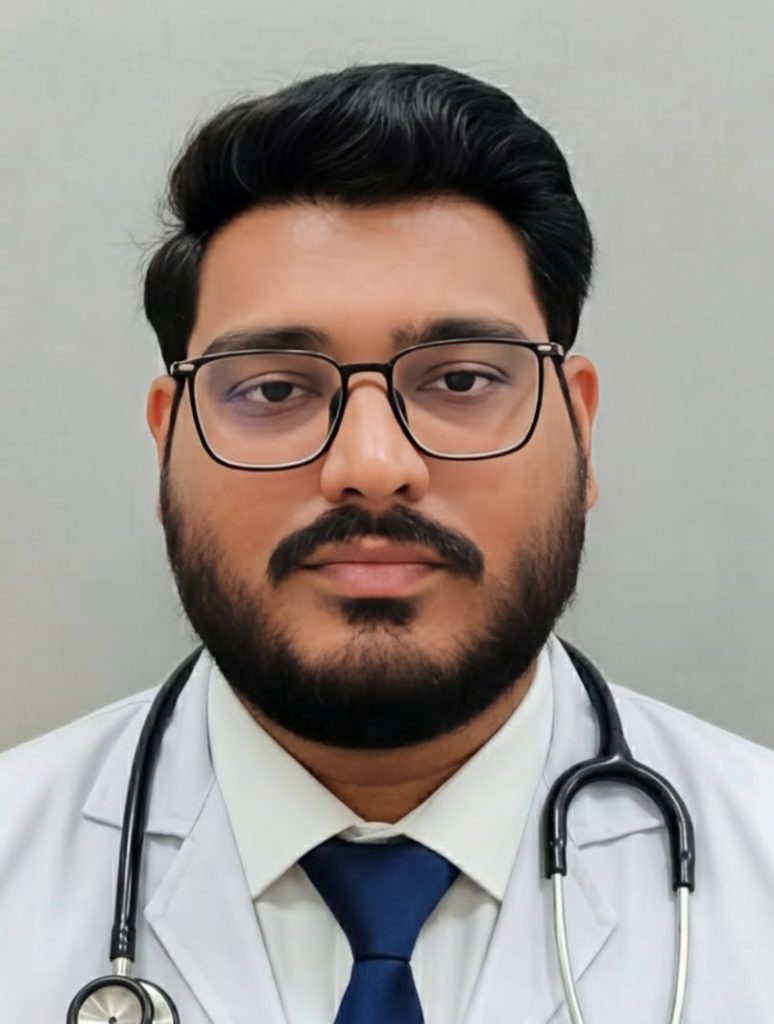
Dr. Neeraj Sanjay Zambare is a qualified Psychiatrist in Dombivli who provides comprehensive mental health care with a compassionate, ethical, and evidence-based approach.ย